Retinal Detachment: Symptoms, Causes & Treatment
Retinal Detachment: Symptoms, Causes & Treatment
What Is Retinal Detachment?
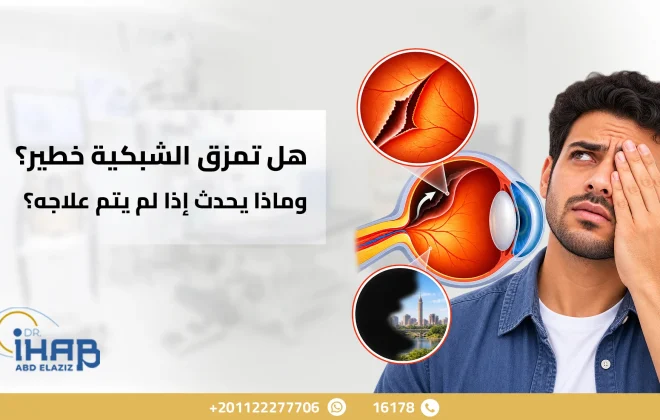
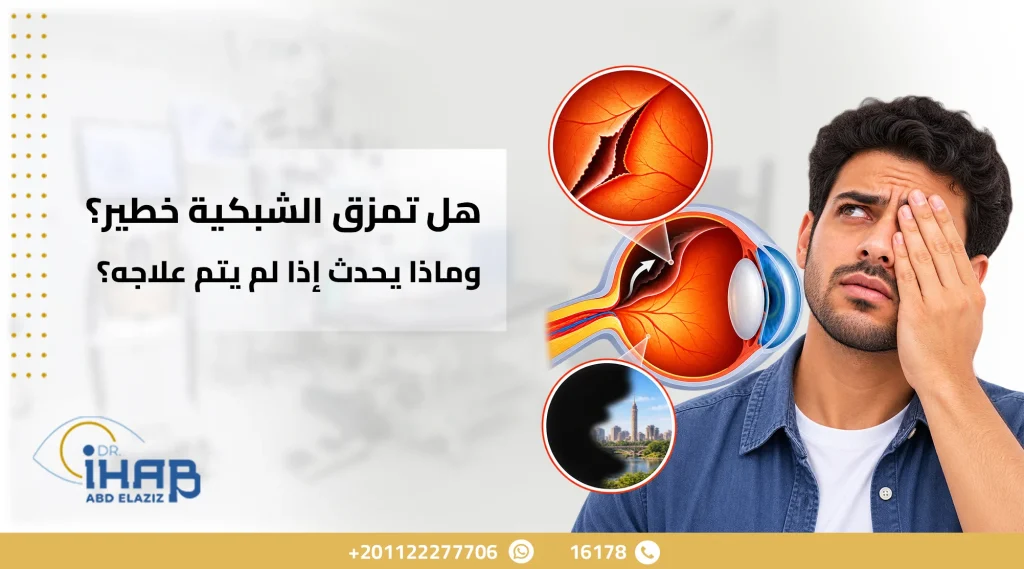
Retinal detachment is a medical emergency that occurs when the retina separates from the underlying layer that supplies it with blood and nutrients. If not treated quickly, it can lead to permanent vision loss.
Retinal detachment is one of the most serious eye conditions because vision may be affected suddenly. Early diagnosis and urgent treatment can help protect the retina and improve the chances of preserving sight.
Read more: Recurrent Retinal Detachment Symptoms
Retinal Detachment Symptoms
Retinal detachment symptoms may appear suddenly and should never be ignored. The most common signs include:
- Sudden appearance of many floaters or dark spots
- Flashes of light, especially when moving the eye
- A shadow or curtain covering part of the visual field
- Sudden or gradual vision loss
Read more: Symptoms of Retinal Detachment
Causes of Retinal Detachment
Several factors may increase the risk of retinal detachment. These include:
- Retinal tears or holes that allow fluid to pass behind the retina
- Severe myopia or high nearsightedness
- Eye injuries or direct trauma
- Previous eye surgeries
- Uveitis or inflammatory eye conditions that may cause fluid leakage behind the retina
Read more: Causes of Retinal Detachment
Diagnosis of Retinal Detachment
To confirm retinal detachment, an ophthalmologist may perform a detailed eye examination using several diagnostic tools:
- Fundus examination using a slit lamp
- Optical Coherence Tomography (OCT) to assess retinal thickness
- Ultrasound imaging to locate the detachment and assess the amount of fluid
Read more: Prevention of Retinal Detachment
Retinal Detachment Treatment Options
Retinal detachment treatment depends on the severity of the condition, the location of the detachment, and how quickly the patient receives medical care.
Laser Treatment
Laser treatment may be used to seal retinal tears or holes in early cases before a complete detachment occurs.
Read more: Retina Treatment: Facts and Myths
Vitrectomy
Vitrectomy involves removing the vitreous gel and any scar tissue, applying laser treatment to retinal tears, and injecting gas or silicone oil depending on the case.
Retinal detachment may recur due to scar tissue formation on the retinal surface. In some cases, the patient may need more than one surgical intervention.
If the retina remains stable, another procedure may be performed later to remove the silicone oil after the first surgery.
Read more: After Retinal Detachment Surgery
Possible Complications
- Permanent vision loss if treatment is delayed
- Scar formation on the retina
- Bleeding inside the eye
- Recurrent retinal detachment
- Eye shrinkage in advanced, old, or repeated cases
- Increased eye pressure after surgery, which may require eye drops
- Weak central vision if the macula is affected
Read more: Recurrent Retinal Detachment Symptoms
Prevention Tips
- Avoid direct eye injuries
- Have regular eye check-ups, especially if you have risk factors
- Treat any retinal tear or hole as early as possible
- Monitor chronic diseases that may affect the retina
Frequently Asked Questions
Is retinal detachment an emergency?
Yes, retinal detachment is a medical emergency. Immediate treatment is important to reduce the risk of permanent vision loss.
Can vision return after retinal detachment?
Vision may partially improve after retinal detachment surgery, depending on how quickly treatment is performed and whether the macula was affected.
What is the best treatment for retinal detachment?
The best treatment depends on the case. Some early retinal tears may be treated with laser, while advanced cases often require surgery such as vitrectomy.
Conclusion
Retinal detachment is a serious eye condition that requires urgent medical attention. Early diagnosis and prompt treatment can help preserve vision and reduce complications. If you notice sudden floaters, flashes of light, or a curtain-like shadow in your vision, consult an eye specialist immediately.